

Agent Habitat Architecture
A proposed security architecture and maturity scale for agent habitats, covering identity, execution, permissions, data flows, approvals, and recovery.


A proposed security architecture and maturity scale for agent habitats, covering identity, execution, permissions, data flows, approvals, and recovery.

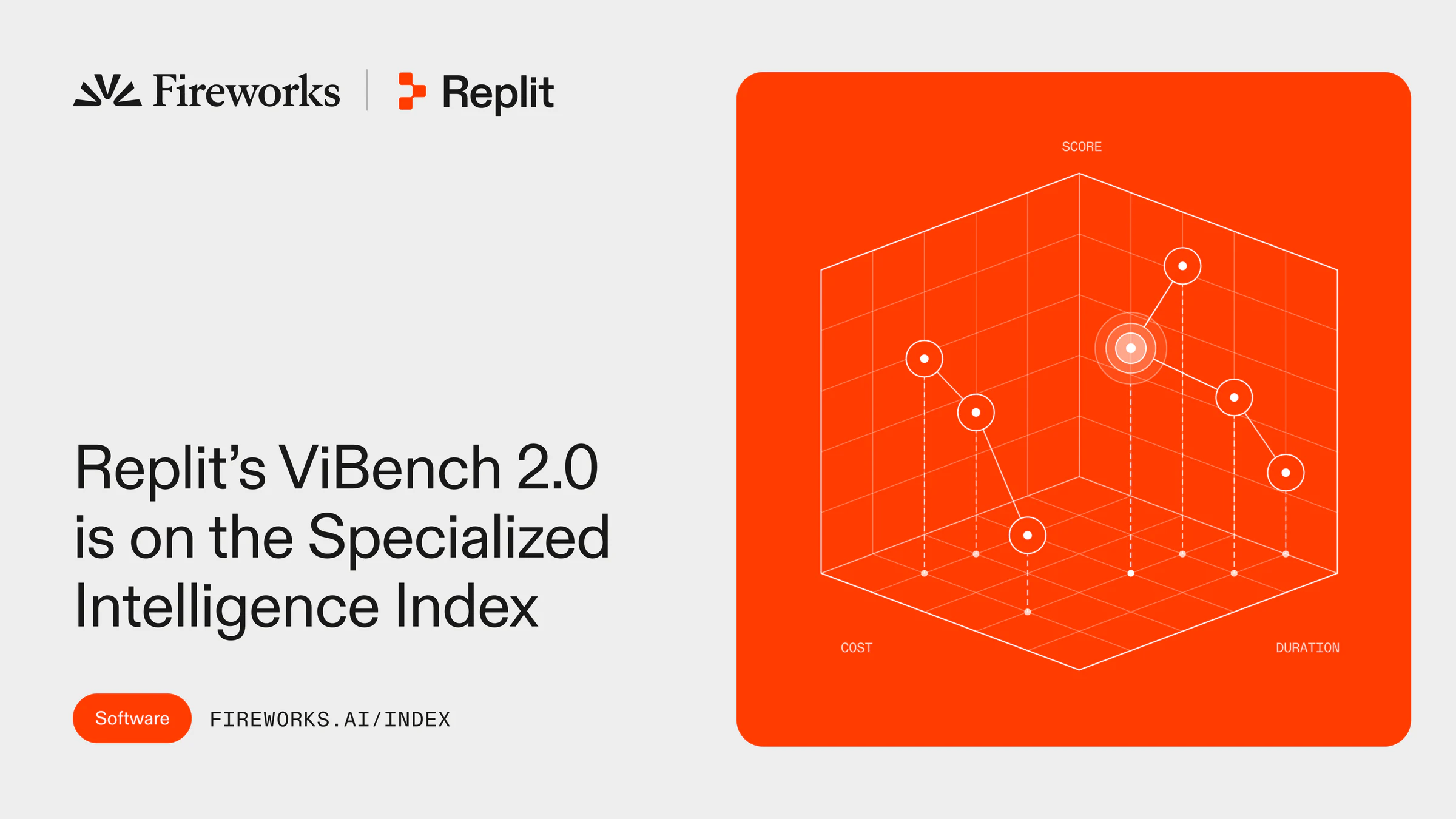
ViBench 2.0 tests whether AI agents can build a whole product one feature at a time. It joins the Specialized Intelligence Index from Fireworks.





AI adoption is limited by trust. A user who gets burned by a confidently wrong answer will double-check the next one, eventually routing consequential work around the system entirely. Once that happens, AI remains a tool at the edges rather than infrastructure at the center… useful, but never trusted with the workflows where its value compounds. Before a company can benefit from more capable agents, those agents need a reliable way to know what the company considers true.



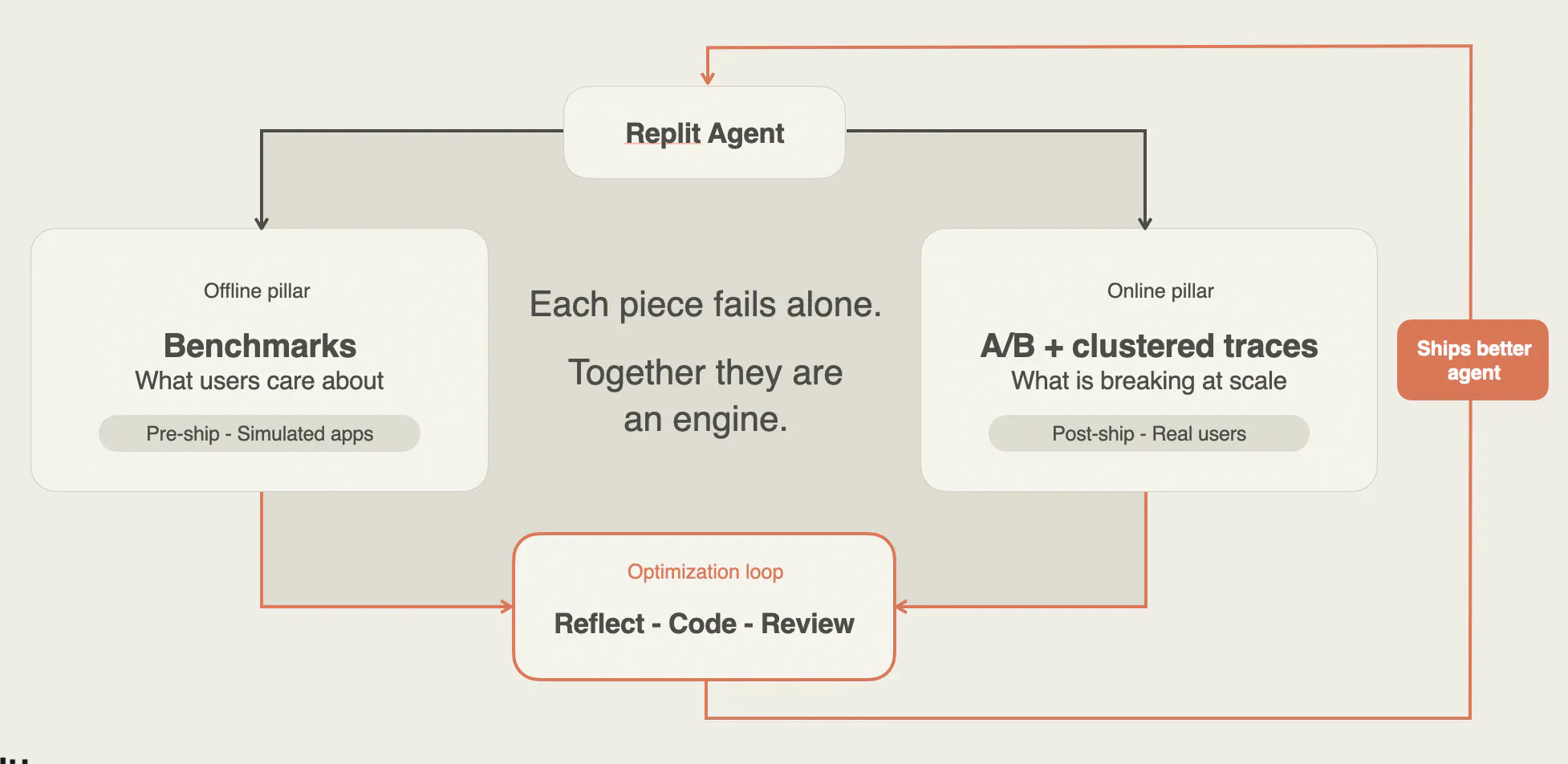
Most Replit Agent users start with an idea. They describe the goal in natural language — without a repo, test suite, or chosen framework — and expect the agent to turn it into a functioning app. The result might be a website, slide deck, mobile app, several connected artifacts, or something else entirely.


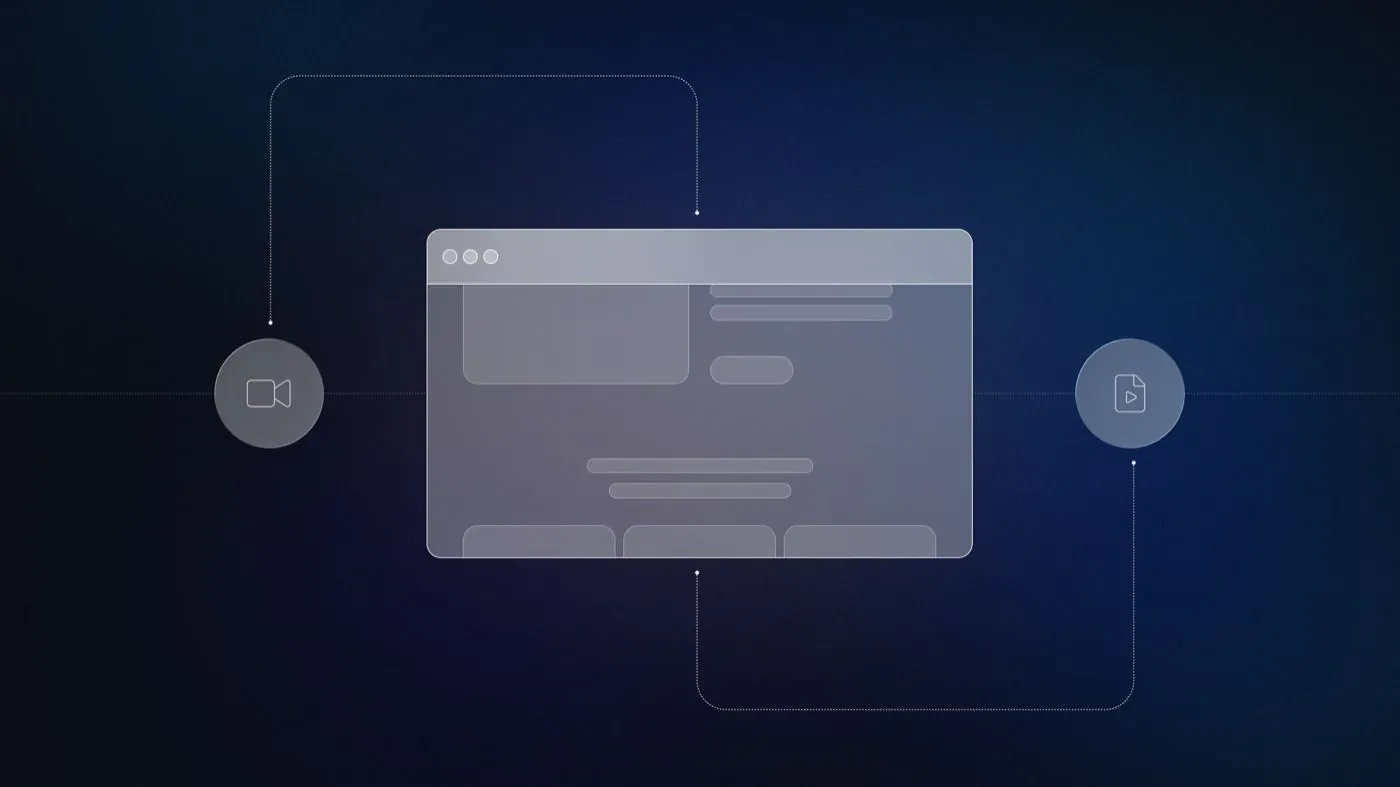
How Replit turns any web page into a deterministic video by virtualizing time itself, patching key browser audio APIs, and waging war against headless Chrome's quirks.


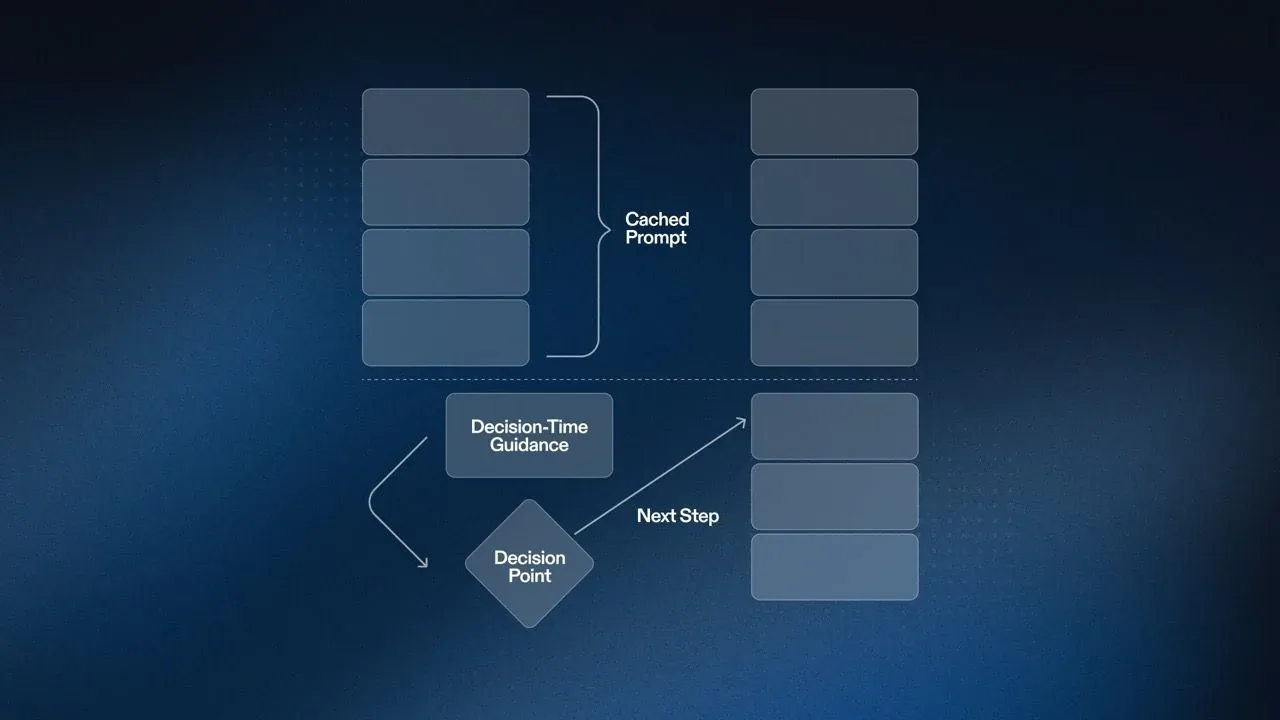
Replit Agent stays reliable through decision-time guidance—injecting situational instructions at key moments rather than front-loading all rules.





AI security scans alone aren't enough. New research shows hybrid approaches combining static analysis with LLM reasoning are essential for vibe coding.


How Replit's snapshot engine makes AI agents safe: instant filesystem forks, versioned databases, and isolated sandboxes enable reversible AI development.


How Replit built a novel REPL-based verification system that combines code execution with browser automation to catch "Potemkin interfaces", enabling Agent 3 to work autonomously for 200+ minutes.



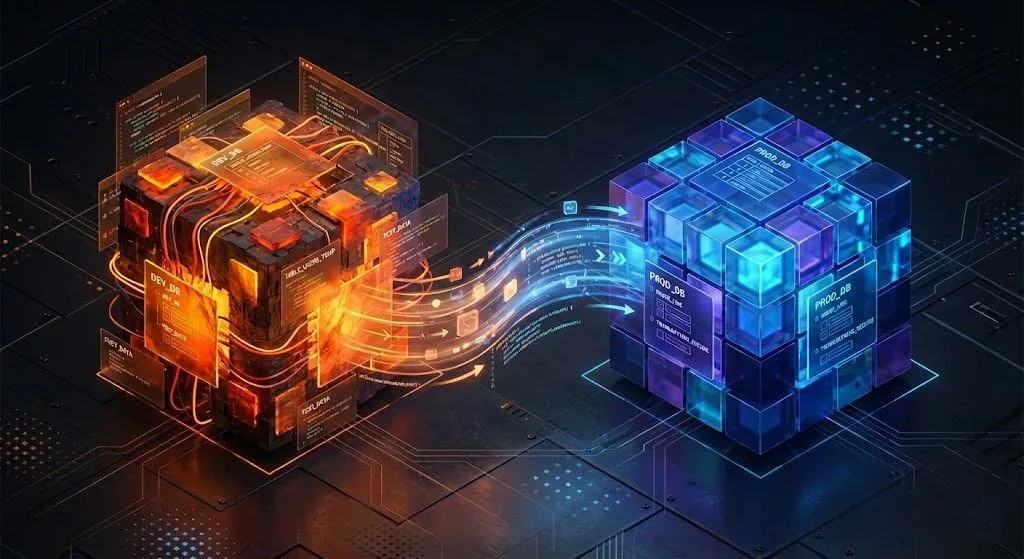
Learn how Replit automated database migrations between dev and production environments, enabling safe AI agent development with minimal user intervention.


For the past few years, Replit has been using Nix to serve packages/dependencies and provide consistent development environments to our users. Nix on Replit allows users to have access to a large number of packages and libraries that can be seamlessly integrated into a user's project.


With Workflows, you can easily save your development processes and organize them as a sequence of Tasks. Instead of having to repetitively type commands into your shell and remember them, Workflows provide an intuitive interface to configure your frequently used commands and execute them with the click of a button.




This week, we launched a new Database Editor feature on Replit. This feature is another addition to Replit’s full suite of tools that make it easy for anyone to build an app — no coding knowledge required.


Programming languages with Garbage Collectors are fantastic! You no longer need to keep track of every single piece of memory that your program needs to run and manually dispose of them. This also means that your programs are now immune to bugs like double-free (accidentally freeing a resource more than once, leading to crashes or security vulnerabilities) and most memory leaks (accidentally not freeing a resource, leading to crashes by running out of memory). But it is still possible to have a memory leak. Consider this TypeScript snippet:

Back when computers were still in their infancy, the “computer” usually was a big cabinet in the middle of a room. They typically exposed some internals via a front panel with lots of knobs and ports. Users would connect a terminal device (sometimes called a teletype or a TTY) to this front panel in order to input text and print the corresponding output.


For any company making creative tools, being able to tell what its most engaged users are building on the platform is critical. When the bound of what’s possible to create is effectively limitless, like with code, sophisticated data is needed to answer this deceivingly simple question. For this reason, at Replit we built an infrastructure that leverages some of the richest coding data in the industry.



We recently revamped the dependency management experience in your Replit workspace. You can now use and configure multiple languages in one Repl. We’ve consolidated language support, packages, and system dependencies into one new Dependencies pane for beginners and experienced developers alike!


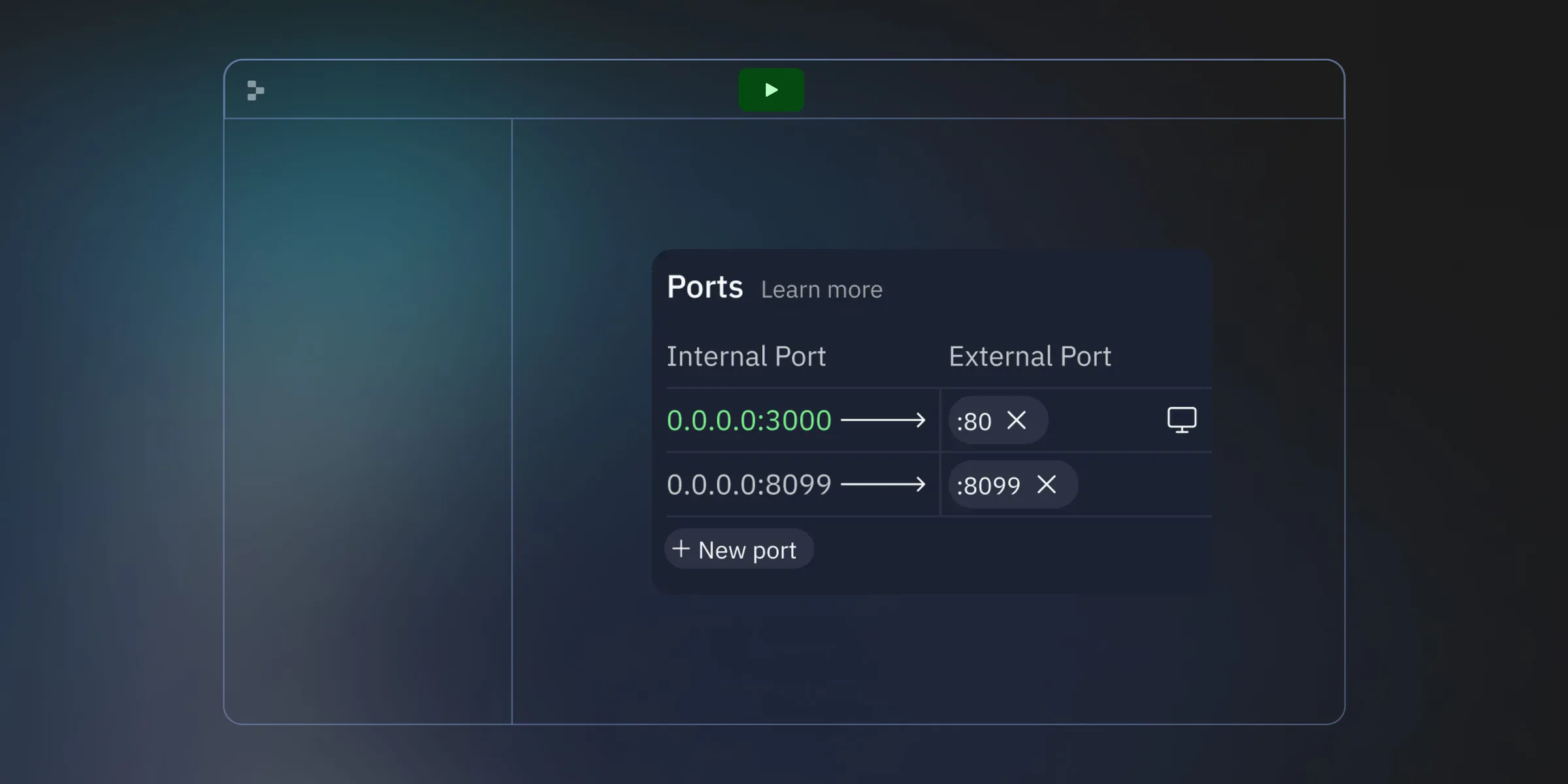
We recently spent a few months making ports easier to work with on Replit, so you can develop more complex apps predictably.


Today, we’re releasing the first version of rippkgs, a CLI utility for indexing and searching Nix expressions. With rippkgs, you can quickly search the nixpkgs available to your system with accurate results. Read on for more details about why we created it, how to use it, and how it works.


We’re thrilled to announce that first-class pip support is now available on Replit! This should work out-of-the-box when importing existing repositories from GitHub. For developers who want to switch from poetry to pip: start by deleting poetry.lock, then move your dependencies over from [tool.poetry.dependencies] to requirements.txt (structure hint: flask = "^3.0.2" would become flask>=3.0.2,<4 in requirements.txt), and finally, delete the other [tool.poetry...] sections from pyproject.toml. After that, the packaging infrastructure will use pip for all future operations going forward.


At Replit, we want to make it easy to support any project configuration possible. This includes ensuring your binaries are in the right place and intelligent code completion works. Historically, the .replit file has been at the center of this, but the experience of editing the file is a process shrouded in mystery. While documentation exists for the file and what various configurations imply, it’s much more convenient if the documentation is visible inside the Workspace.


People have expected apps to rotate with their mobile devices since before the introduction of the iPhone in 2007. It’s especially important for productivity apps to adapt and let people choose how they want to utilize their screen space. With the newest version of the Replit Mobile App, you can now code in both landscape and portrait modes. This creates a significantly improved experience on smaller tablets like the iPad mini or larger phones like the Pixel Fold. Want to code on the go with your iPad mini? Simply rotate it to portrait, then later, when you’re home, connect it to your wireless mouse & keyboard and rotate it to landscape for maximal screen space. This is the first of many more improvements to the Replit Mobile App, unlocking your ability to build and launch your next startup from your phone.


Between Dec 12 and Dec 16, Secrets in interactive Repls and files in our legacy repl.co static hosting were unavailable. The root cause was a configuration push to GCS storage that was misinterpreted as a request for all the files to be evicted from storage. Deployments and Secrets in Deployments were unaffected. We have since recovered all known user Secrets and instituted new data retention procedures in our storage systems to ensure that this issue doesn’t reoccur. This will allow us to have a faster recovery going forward. This post summarizes what happened and what we're doing to improve Replit so that this does not happen again.

As developers, we constantly seek tools that simplify our workflows and boost our productivity. We know that most code lives on GitHub, so we want to make running, maintaining, collaborating on, and deploying code from GitHub repositories effortless.


If you’ve ever tried to install a complex Python package, you know the pain of scouring the package’s README for the apt install or brew install commands necessary to bring in the system-level dependencies the package needs. This approach can be time-consuming and frustrating, especially when a cascade of errors indicates a missing system dependency — a pain point that isn't always immediately obvious.

No matching posts.


