

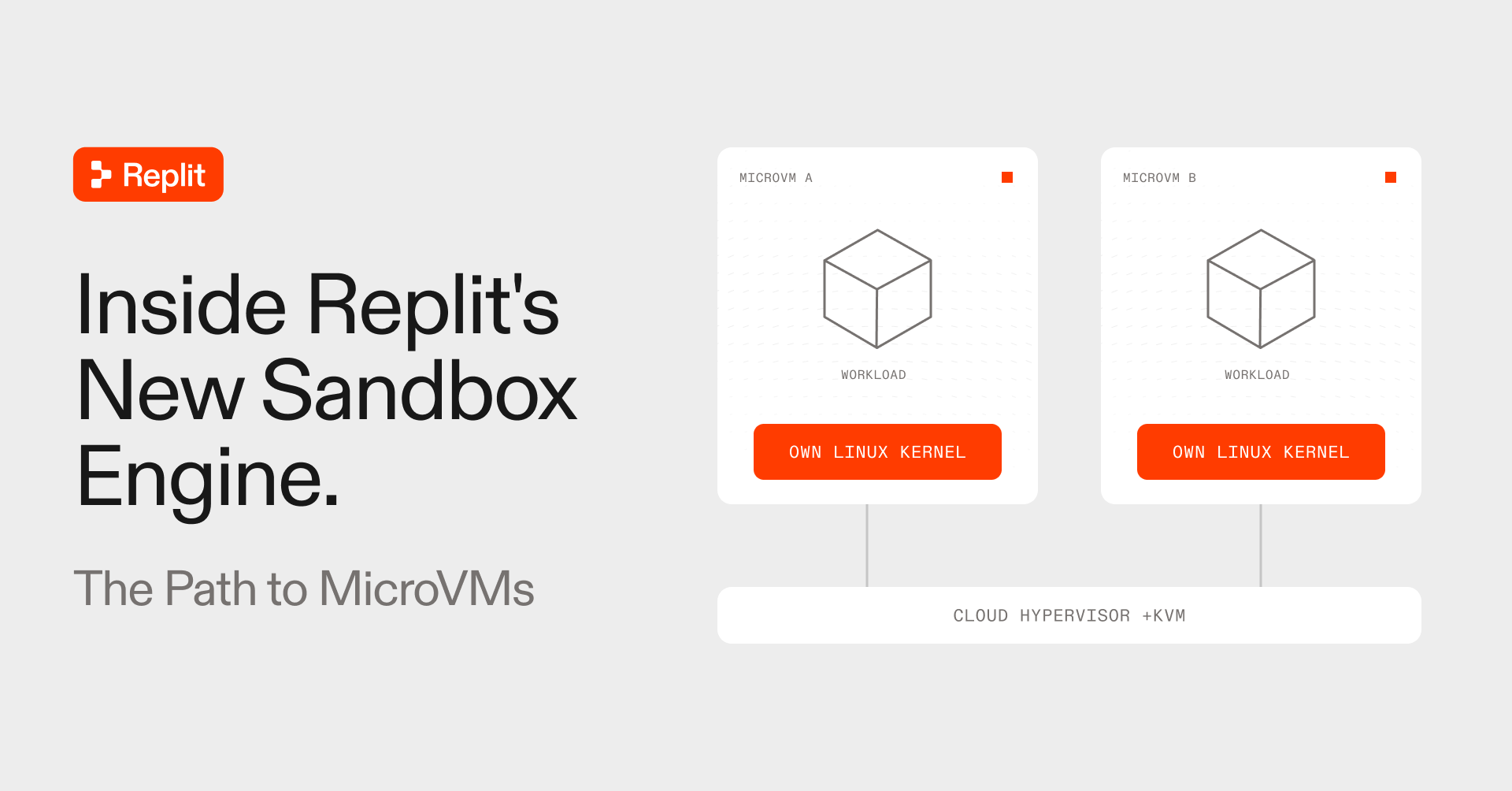
Inside Replit’s New Sandbox Engine, Part 1: The Path to MicroVMs
How Replit rebuilt its sandbox engine with microVMs for stronger isolation, bottomless storage, and fast startup across hundreds of millions of projects.



How Replit rebuilt its sandbox engine with microVMs for stronger isolation, bottomless storage, and fast startup across hundreds of millions of projects.

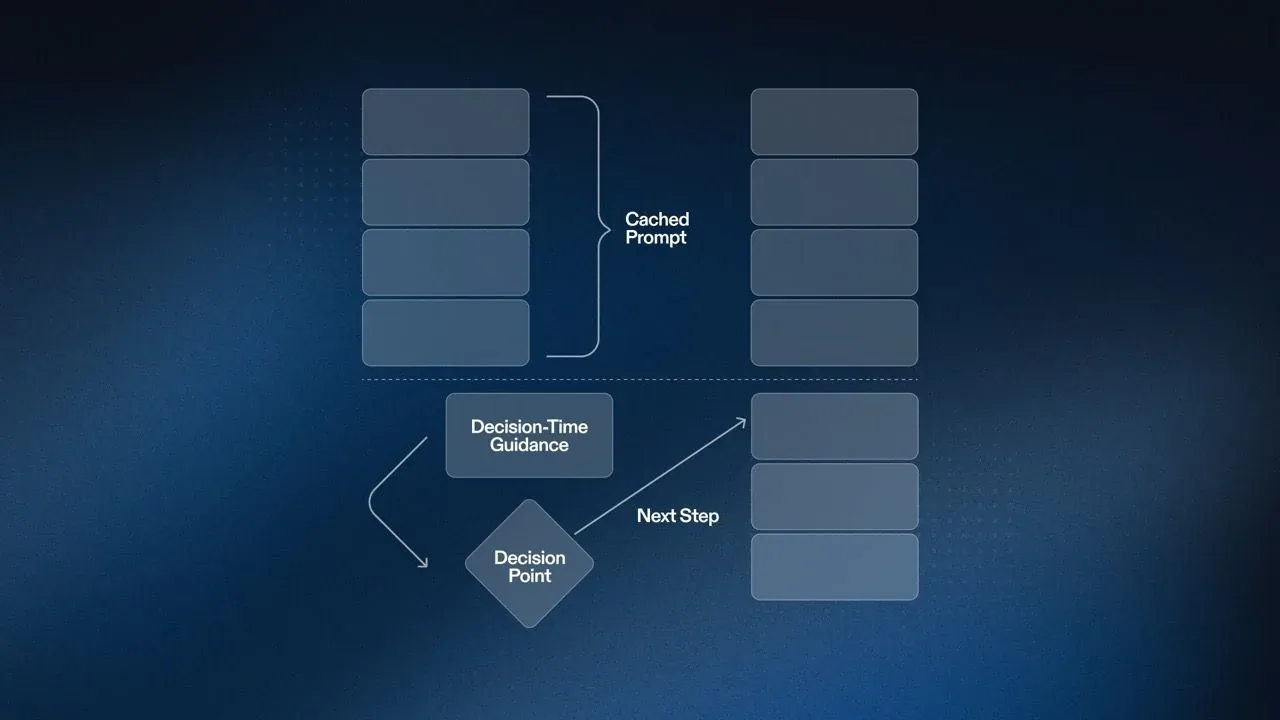
Replit Agent stays reliable through decision-time guidance—injecting situational instructions at key moments rather than front-loading all rules.





Our Nix package disk had grown to 20 TB. How Tvix Store cut storage costs by 90% without dropping the packages older projects depend on.



Garbage collection doesn’t prevent every memory leak. How to confirm a leak, inspect a running program’s heap, and track down what won’t let go.


What are people building with Replit? How we analyze anonymized public code and organize it into a taxonomy, without reviewing private projects.



How a storage configuration change disrupted Secrets and legacy static hosting in December 2023, and what we changed after the recovery.

An incomplete storage build left some projects read-only on September 29, 2023. Our account of the incident, recovery work, and safeguards that followed.

Larger datasets and dependencies need more room. How expandable storage removes the old per-project ceiling, and how to manage the extra space.





Faster deploys, fewer failures, and less friction getting an app online. What changed in Replit Deployments after its first release.

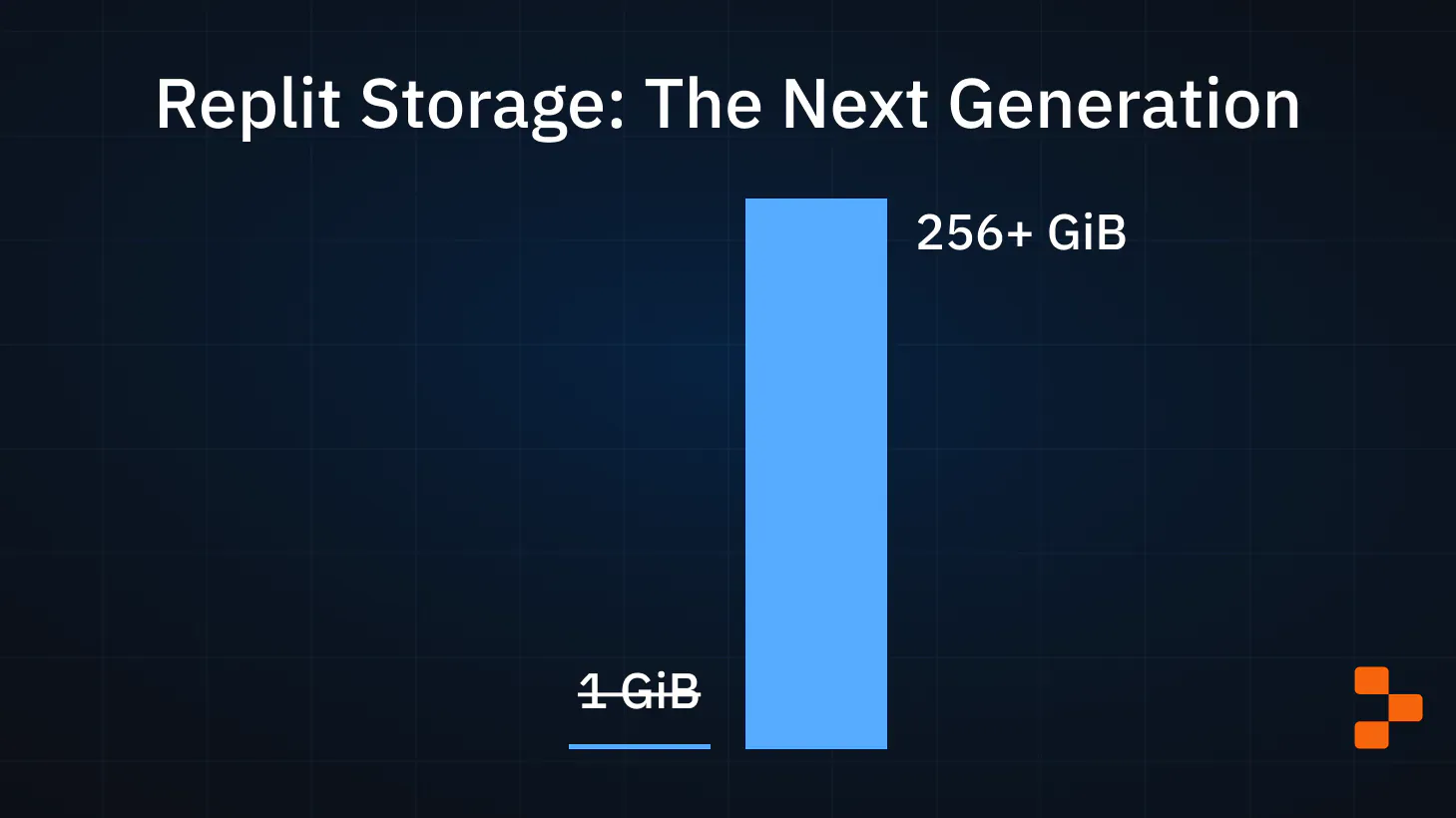
Getting past the 1 GiB storage limit meant rethinking the filesystem underneath it. Inside the snapshot and copy-on-write design that made larger projects possible.


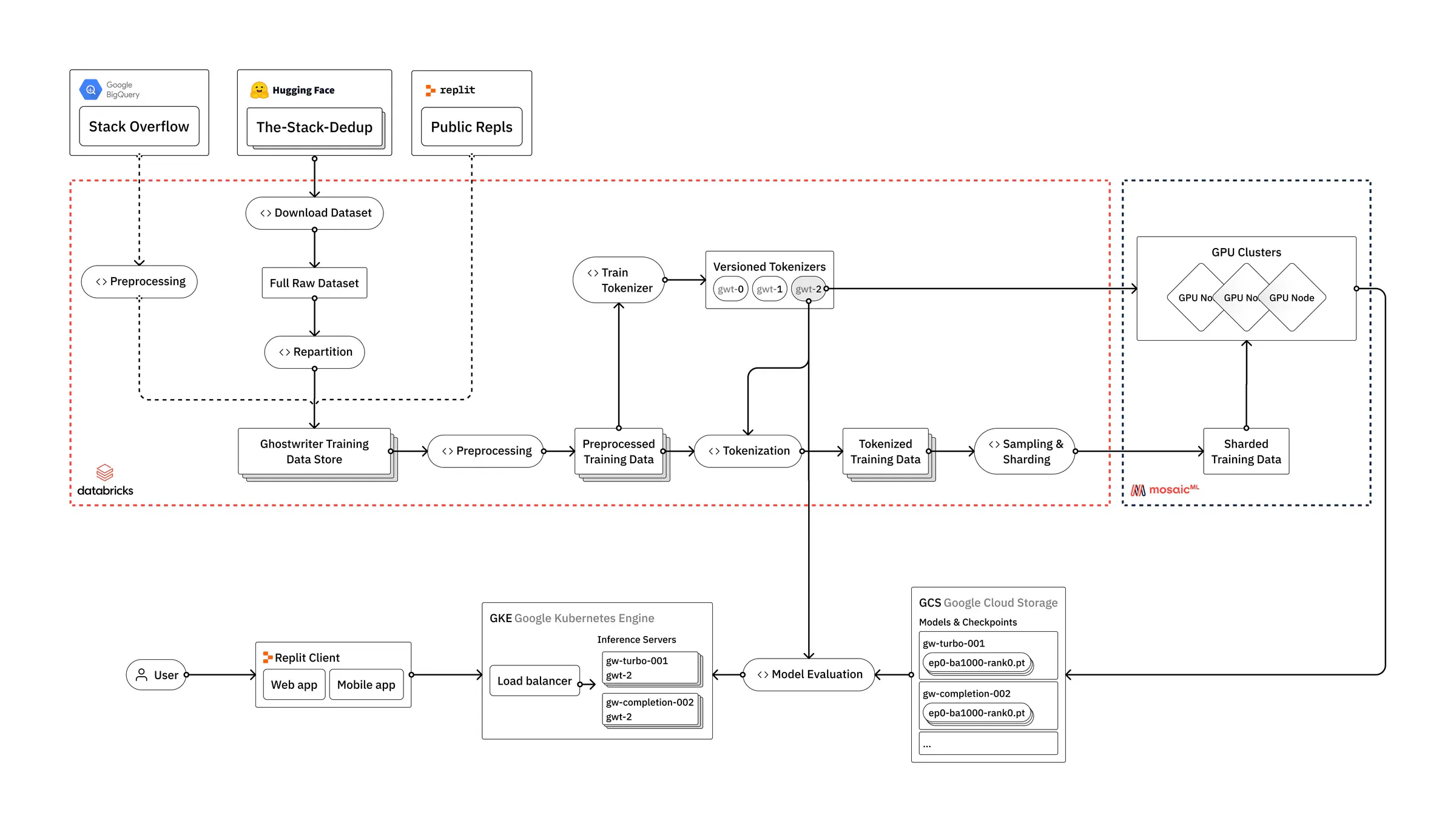
From raw code to a model serving users: the data pipelines, training infrastructure, and evaluation work behind Replit’s language models.


Switching away from preemptible VMs cut workspace restarts tenfold for paid plans. The infrastructure tradeoff behind longer, uninterrupted coding sessions.


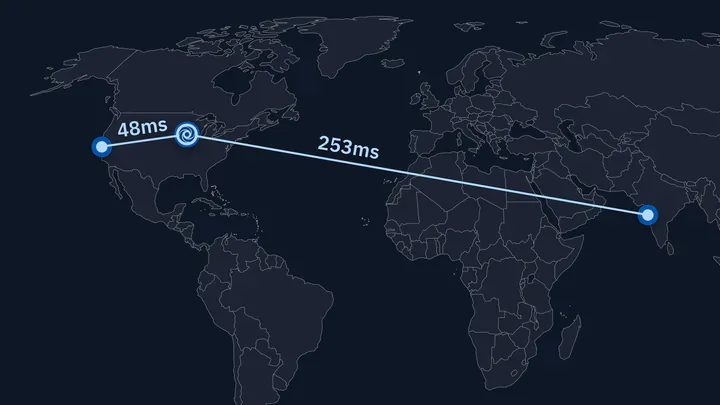
You can’t optimize away the speed of light. How we reworked clusters and moved users’ compute closer to them without making them start over.



An off-the-shelf load balancer couldn’t route containers the way we needed. How we built an alternative and brought it into production.


Moving compute closer to users started with separating the control and data planes. Inside the infrastructure refactor that made global routing possible.
Moving fast left some rough edges in the editor. Here’s where we’re focusing on fixes, performance, and the feedback that shapes both.


One package system for every new project: how moving to Nix brought faster Python startups, newer runtimes, and more control over your environment.


What it took to bring persistent files in hosted apps to everyone: a gradual rollout, better monitoring, and a few infrastructure optimizations.

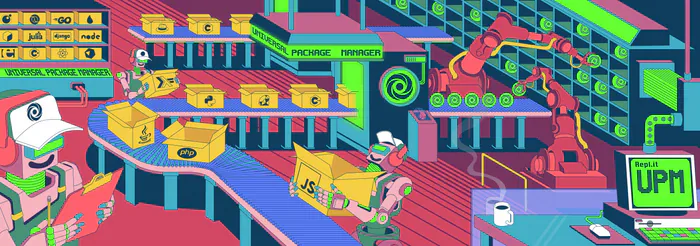
Reinstalling packages at every startup made Python projects painfully slow. How a new template cut that wait and made room for larger dependencies.


Add your own tools, configure how code runs, and share the setup as a template. A look at making Replit more customizable.



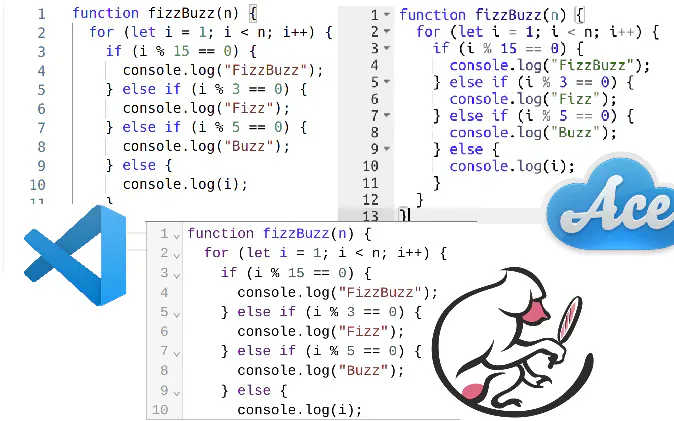
We compare and contrast the top code editors that you use in your browser.


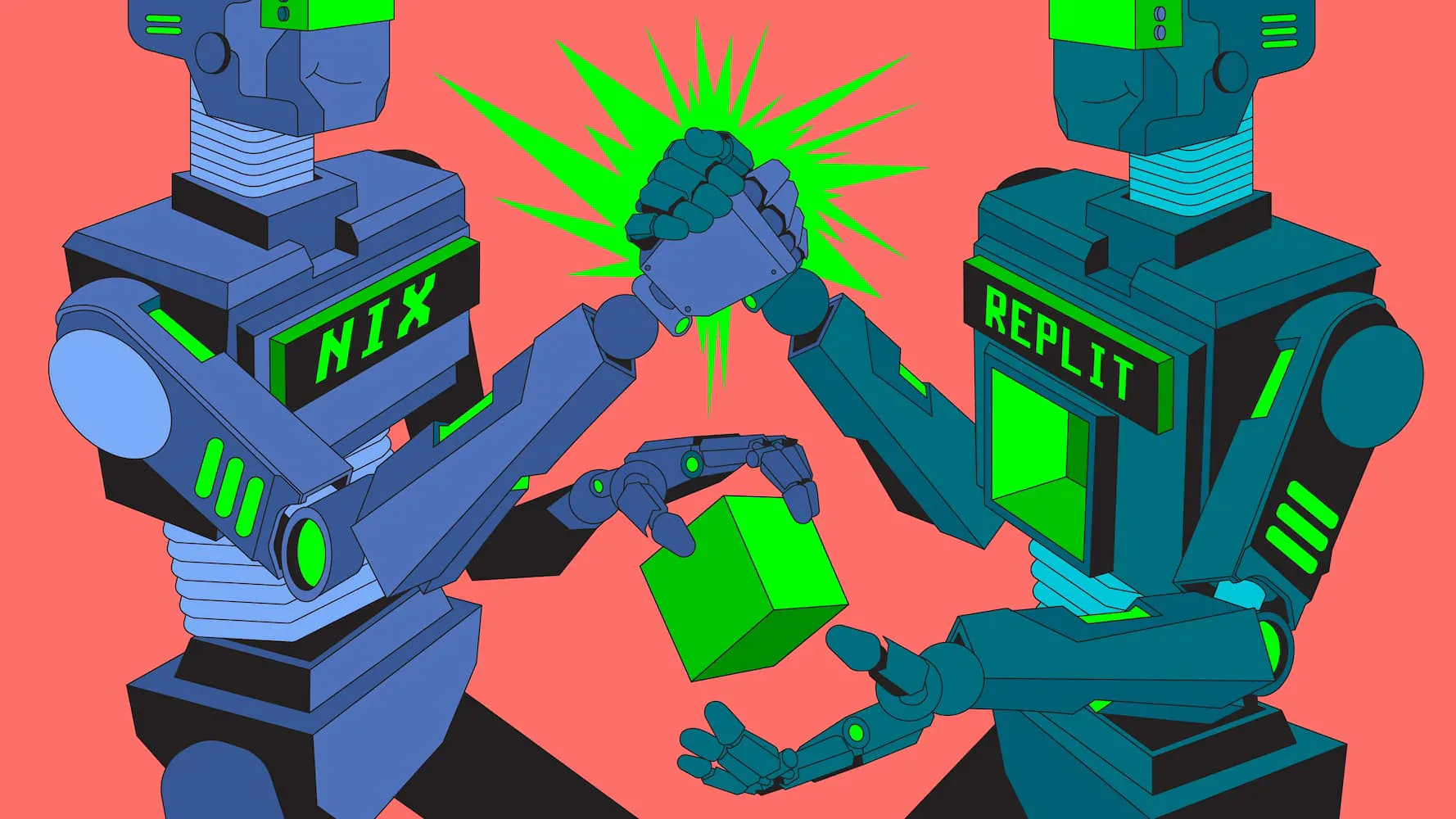
Nix and Docker both tackle the works-on-my-machine problem, but in different ways. A practical comparison of their approaches to reproducible environments.

Hosted apps need to save files even when the editor is closed. How file persistence opened up uploads, SQLite databases, and more.
No matching posts.