

Inside Replit’s Snapshot Engine: The Tech Making AI Agents Safe
An agent needs room to experiment and a way back when it gets things wrong. Inside the filesystem snapshots and database forks that make that possible.


Technical insights from the people building Replit.
An agent needs room to experiment and a way back when it gets things wrong. Inside the filesystem snapshots and database forks that make that possible.

An app can look finished and still fail when you click it. How Agent 3 combines code execution and browser testing to check its own work.




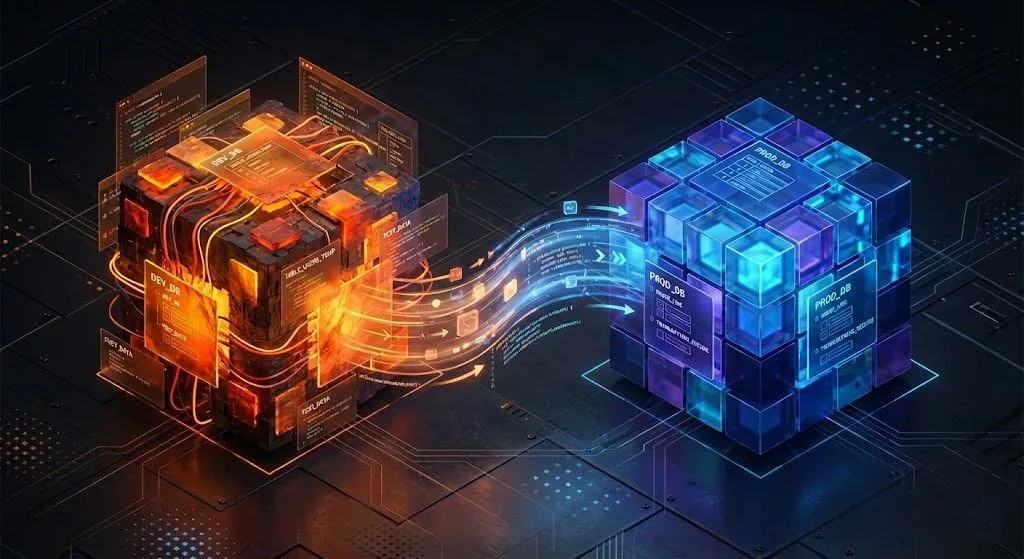
Learn how Replit automated database migrations between dev and production environments, enabling safe AI agent development with minimal user intervention.


Our Nix package disk had grown to 20 TB. How Tvix Store cut storage costs by 90% without dropping the packages older projects depend on.


Stop retyping the same shell commands. Turn your development routine into reusable tasks, then run them together with Replit Workflows.




See and edit your app’s Postgres data in a familiar table view. A look at Replit’s database editor, with no SQL required to get started.


Garbage collection doesn’t prevent every memory leak. How to confirm a leak, inspect a running program’s heap, and track down what won’t let go.

A shell that keeps its history and works with other people. How we rebuilt Replit’s terminal for speed, persistence, and multiplayer sessions.

What are people building with Replit? How we analyze anonymized public code and organize it into a taxonomy, without reviewing private projects.



Languages, packages, and system libraries now share one place in the workspace. How the Dependencies pane helps you configure projects with more than one language.


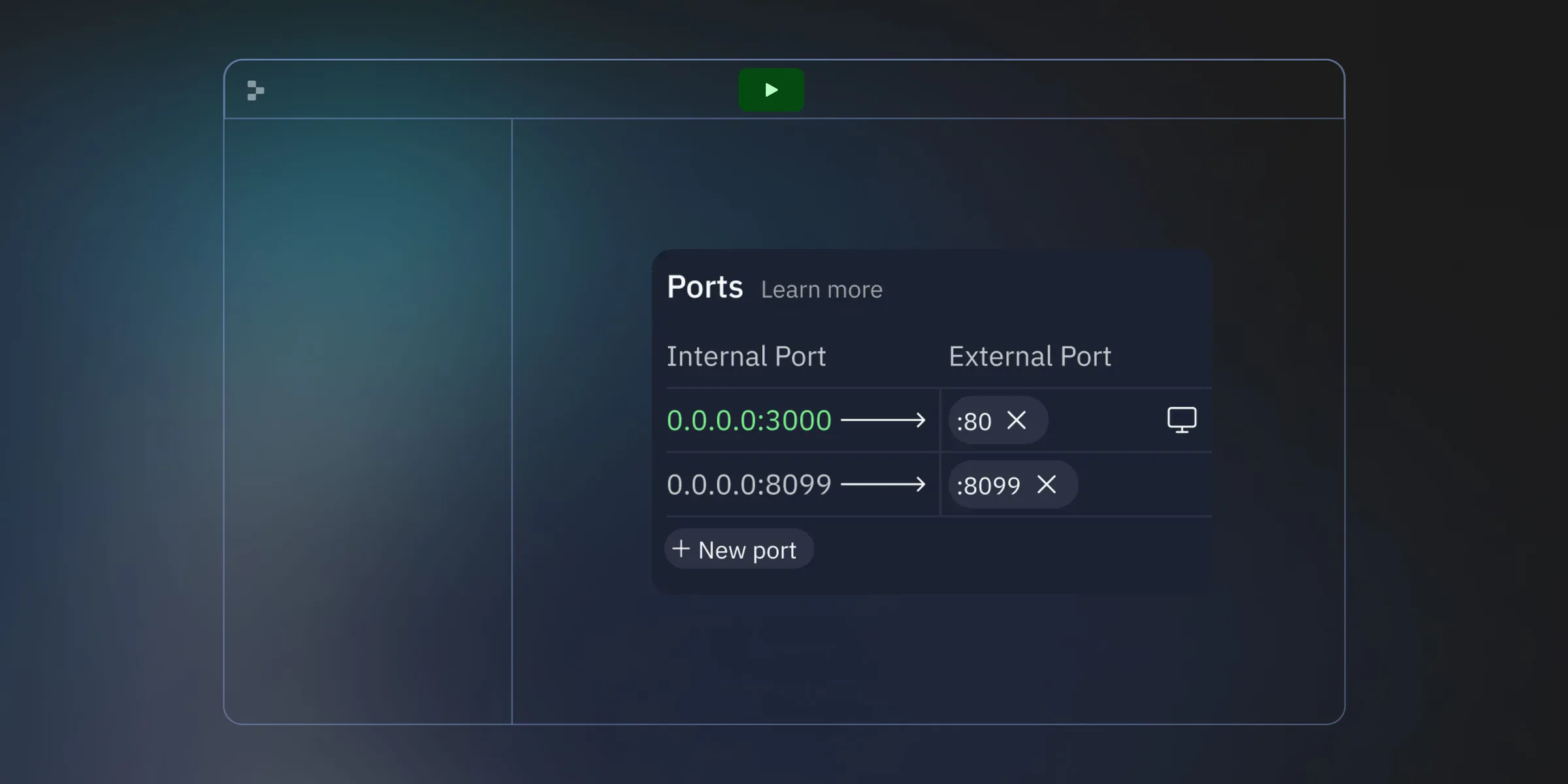
Run multiple services without guessing which port goes where. Explicit mappings, localhost previews, and a Networking tool make the connections easier to follow.


Finding a Nix package shouldn’t keep you waiting. How rippkgs indexes Nix expressions and returns search results in under 30 milliseconds.


Prefer requirements.txt to Poetry? Replit now supports pip directly, with a short migration path for existing Python projects.


Configure your project without hunting through docs. Code completion and inline help bring the .replit file’s options into the editor.


Code upright on your phone or turn your tablet sideways for more room. Here’s how we made Replit adapt to both.


How a storage configuration change disrupted Secrets and legacy static hosting in December 2023, and what we changed after the recovery.

Find the right repository, bring it into Replit, and get to work. What changed in GitHub imports, authentication, and the Git pane.


Python packages often need libraries that pip can’t provide. Replit detects those missing system dependencies and installs them for hundreds of packages.


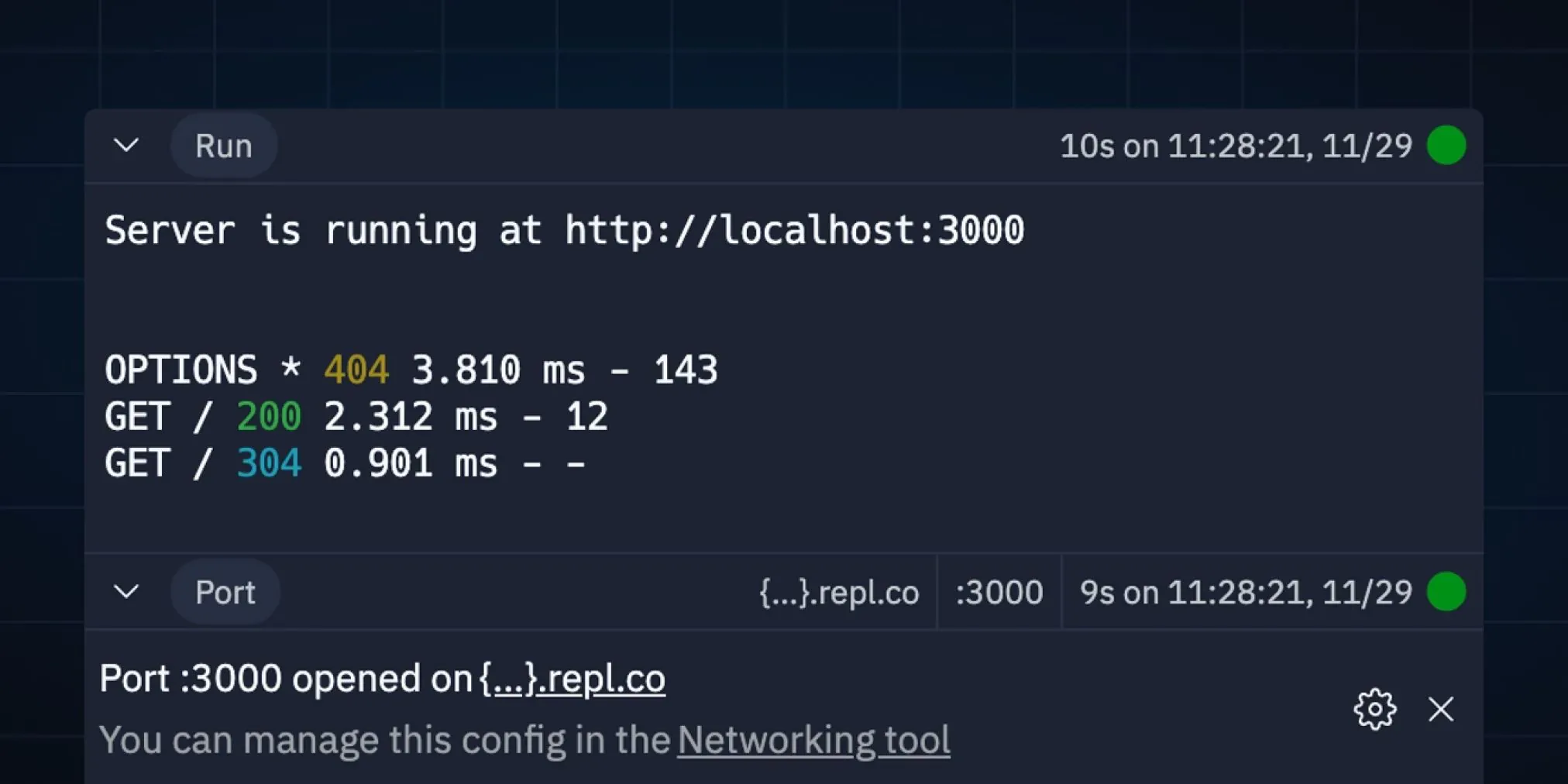
Past runs shouldn’t vanish when you need them. A tour of the rebuilt Console, its saved execution history, and the choices behind the interface.

Search for native tools and libraries without writing Nix configuration by hand. A guide to adding and managing system dependencies in the workspace.


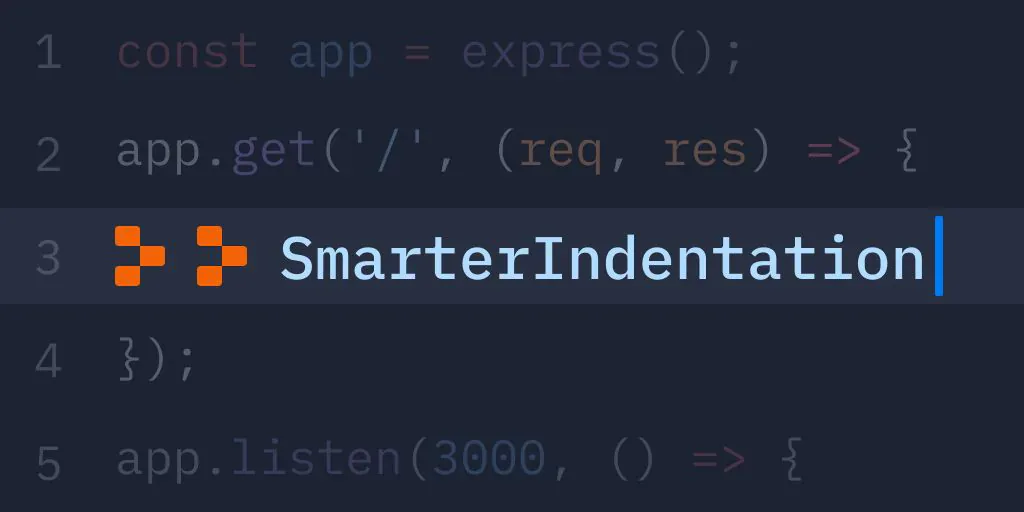
Keep pasted code aligned and let the editor pick up a file’s indentation style. Small changes that take the fuss out of tabs and spaces.


An incomplete storage build left some projects read-only on September 29, 2023. Our account of the incident, recovery work, and safeguards that followed.

Why we’re moving legacy hosting to Deployments, what that means for existing apps, and why the free development experience isn’t going away.

See how people use your deployed app without leaving the workspace. A tour of the analytics tab and the traffic data it puts at hand.

Install packages with fewer clicks, see what’s already in your project, and get clearer errors when something goes wrong.
No matching posts.


